


The Science Behind Nasal Peptide Delivery Systems
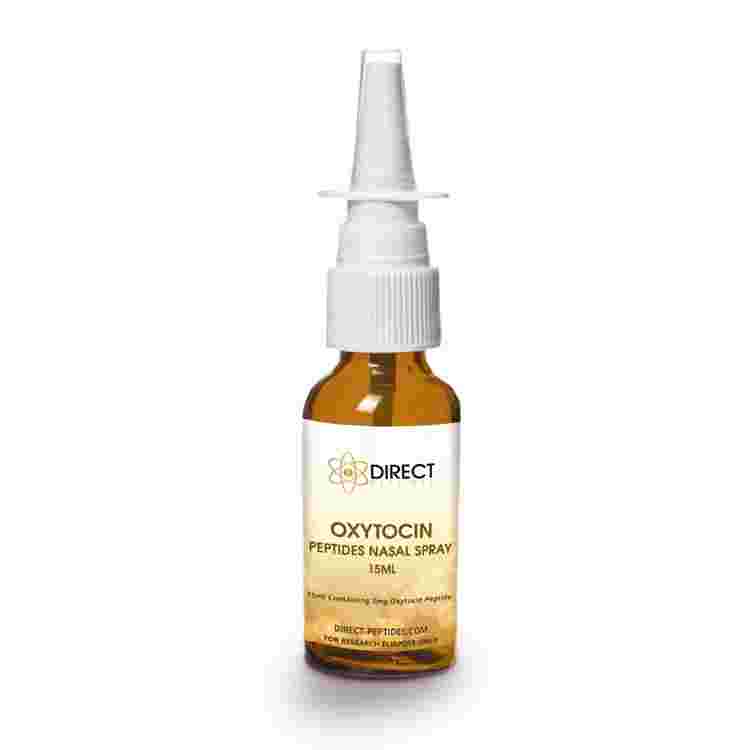
Modern medicine continues to explore innovative ways to deliver therapeutic compounds more effectively. Among the most promising developments is the use of nasal delivery systems for peptide-based compounds.
These systems offer a unique route of administration that may enhance absorption, improve convenience, and potentially bypass some of the limitations associated with oral and injectable treatments. As scientific research advances, interest in nasal peptides has grown due to their potential applications in neuroscience, endocrinology, and other areas of medicine.
Understanding Peptides and Their Therapeutic Potential
Peptides are short chains of amino acids that act as signaling molecules throughout the body. They play crucial roles in regulating biological processes such as hormone production, immune function, metabolism, and cellular communication. Because of their specificity and biological activity, peptides have become valuable tools in medical research and therapeutic development.
Despite their advantages, nasal peptide-based compounds face significant delivery challenges. When taken orally, many peptides are broken down by digestive enzymes before they can reach the bloodstream. This degradation reduces their effectiveness and limits their bioavailability. Injectable administration can overcome this issue, but frequent injections may be inconvenient and uncomfortable for patients.
To address these challenges, researchers have investigated alternative delivery methods, including nasal administration.
Why the Nasal Route Is Unique
The nasal cavity provides a highly vascularized environment that allows certain compounds to be absorbed directly into systemic circulation. Unlike the gastrointestinal tract, the nasal passages contain fewer enzymes capable of degrading peptides, making them an attractive route for delivery.
Another important advantage is the relatively large surface area inside the nasal cavity. The mucosal lining contains numerous blood vessels that facilitate rapid absorption of therapeutic molecules. In some cases, compounds delivered through the nose may enter circulation more quickly than those administered through other non-invasive routes.
The nasal route also avoids first-pass metabolism in the liver. When substances are swallowed, they often pass through the liver before reaching systemic circulation, which can significantly reduce their potency. Nasal administration may help preserve the integrity of sensitive peptide compounds.
How Nasal Delivery Systems Work
A nasal peptide delivery system is designed to transport active molecules through the nasal mucosa and into the bloodstream or, in some cases, directly toward the central nervous system. The effectiveness of this process depends on several factors, including molecular size, formulation design, and absorption-enhancing technologies.
Most delivery systems consist of a peptide compound combined with excipients that support stability and absorption. These formulations may be presented as sprays, drops, gels, or specialized powders. The goal is to ensure that the peptide remains stable during storage and administration while maximizing contact with the nasal tissues.
Once administered, the formulation spreads across the nasal mucosa. The peptide molecules then diffuse through the epithelial barrier and enter underlying blood vessels or neural pathways. Scientists continuously refine these formulations to improve absorption rates and therapeutic outcomes.
The Nose-to-Brain Connection
One of the most fascinating aspects of nasal administration is its potential ability to access the brain through specialized neural pathways. The olfactory region, located in the upper part of the nasal cavity, provides a direct anatomical connection between the external environment and the central nervous system.
Researchers have explored whether certain compounds can travel along olfactory and trigeminal nerve pathways to reach brain tissues. This mechanism could potentially bypass the blood-brain barrier, a protective structure that often limits the delivery of therapeutic agents to the brain.
Because many neurological conditions require targeted treatment within the central nervous system, this route has generated significant scientific interest. Studies continue to investigate how nasal peptides may contribute to future therapies aimed at cognitive function, neurodegenerative disorders, and brain-related health challenges.
Formulation Challenges and Solutions
Although nasal delivery offers numerous advantages, it is not without obstacles. The nasal cavity possesses natural defense mechanisms designed to remove foreign substances. Mucus production and mucociliary clearance can reduce the amount of time a therapeutic compound remains in contact with absorptive tissues.
To address these challenges, scientists develop advanced formulations that improve residence time and enhance absorption. Mucoadhesive agents, for example, help formulations adhere to nasal tissues for longer periods. This increased contact may improve uptake and overall effectiveness.
Another challenge involves molecular size. Larger peptide molecules often struggle to cross biological barriers efficiently. Researchers are exploring permeation enhancers, nanoparticle carriers, and liposomal systems to facilitate transport across the nasal epithelium.
Stability is also a critical consideration. Peptides can be sensitive to environmental conditions such as temperature, moisture, and oxidation. Modern pharmaceutical technologies aim to protect these compounds while maintaining their biological activity throughout storage and use.
Advantages Compared with Traditional Methods
Nasal administration offers several benefits that make it an appealing option for both researchers and patients. First, it eliminates the need for needles, improving comfort and potentially increasing treatment adherence. Many individuals prefer non-invasive administration methods, particularly when long-term therapy is required.
Second, absorption can occur relatively quickly due to the rich vascular network within the nasal cavity. Rapid onset of action may be valuable for therapies that require timely physiological responses.
Third, the method may reduce degradation compared with oral administration. Since peptides avoid exposure to harsh digestive enzymes and first-pass liver metabolism, a greater proportion of the active compound may remain intact.
Finally, portability and ease of use make nasal systems practical for self-administration, supporting greater convenience in both clinical and research settings.
Current Research and Future Directions
The field of peptide therapeutics continues to expand, and researchers are actively exploring new ways to optimize nasal delivery technologies. Advances in biomaterials, formulation science, and drug-device engineering are helping overcome traditional limitations.
Emerging innovations include smart delivery platforms, controlled-release formulations, and nanotechnology-based carriers. These approaches aim to improve absorption efficiency, extend therapeutic duration, and enhance targeting capabilities.
As scientific understanding grows, nasal peptides may play an increasingly important role in addressing complex medical challenges. Ongoing studies are examining their potential across a range of therapeutic areas, including hormone regulation, metabolic health, immune support, and neurological research.
Conclusion
Nasal peptide delivery systems represent a compelling advancement in modern pharmaceutical science. By leveraging the unique anatomy and physiology of the nasal cavity, researchers have developed innovative methods that may improve peptide absorption while reducing reliance on invasive administration techniques.
Although challenges remain, continuous progress in formulation technology and biomedical research is expanding the possibilities for this delivery route. As future discoveries emerge, nasal peptides are likely to remain an important area of scientific investigation and therapeutic innovation.
 French
 English
 Arabic
 Spanish
 Portuguese
 Deutsch
 Turkish
 Dutch
Dutch
 Italiano
 Russian
 Romaian
 Portuguese (Brazil)
 Greek
Greek
