


Apple iPhone Buying Guide Camera, Speed, Battery Life & Key Features

Choosing a new smartphone can be surprisingly difficult. There are many models available, and each one offers a different combination of cameras, performance, battery life, display quality, storage, and price.Apple I Phone remains a popular option because Apple focuses on bringing these elements together through tightly integrated hardware and software.Whether you are upgrading from an older iPhone or thinking about switching to Apple's ecosystem for the first time, understanding the important features can make the buying process easier. A phone may have impressive specifications on paper, but what matters most is how those specifications translate into everyday use.
This guide explores the key areas to consider when choosing a modern Apple iPhone, from photography and performance to battery life, software, storage, and connectivity.
Why Apple iPhone Remains Popular
The iPhone has developed a distinctive place in the smartphone market. One reason is Apple's control over both hardware and software. The company designs its processors, develops iOS, and creates many of the services and accessories that work alongside the phone.This integration can make the overall experience feel consistent. Applications are optimized for iOS, system updates are delivered directly to supported devices, and products such as AirPods, Apple Watch, Mac, and iPad can work together.The appeal is not limited to technical specifications. Design, camera performance, security, software support, and ease of use all contribute to the experience.
Choosing the Right Apple iPhone Model
Apple offers different iPhone models to address different requirements and budgets. Standard models are generally designed for people who want a capable phone without necessarily paying for every premium feature.
Higher-end models typically add more advanced camera hardware, display technologies, materials, and processing capabilities. Larger versions can also appeal to people who prefer more screen space.
Instead of automatically choosing the most expensive model, consider how you use your phone. Someone who mainly sends messages, browses websites, takes occasional photos, and watches videos may not need every professional feature.
On the other hand, photographers, gamers, and video creators may benefit from the additional capabilities offered by premium models.
Camera Quality More Than Megapixels
Camera specifications can be confusing because manufacturers often highlight megapixels and other numbers. With the Apple I Phone, however, photography depends on both the physical camera hardware and the software processing behind it.Main camera is generally the lens users will rely on most. It needs to perform well in different lighting conditions, from bright outdoor scenes to indoor environments.Apple's computational photography can process captured images to balance highlights, shadows, colors, and details. This helps make photography more accessible to people who do not want to manually adjust every camera setting.
Result is a camera system that can be used for everything from quick family snapshots to travel photography.
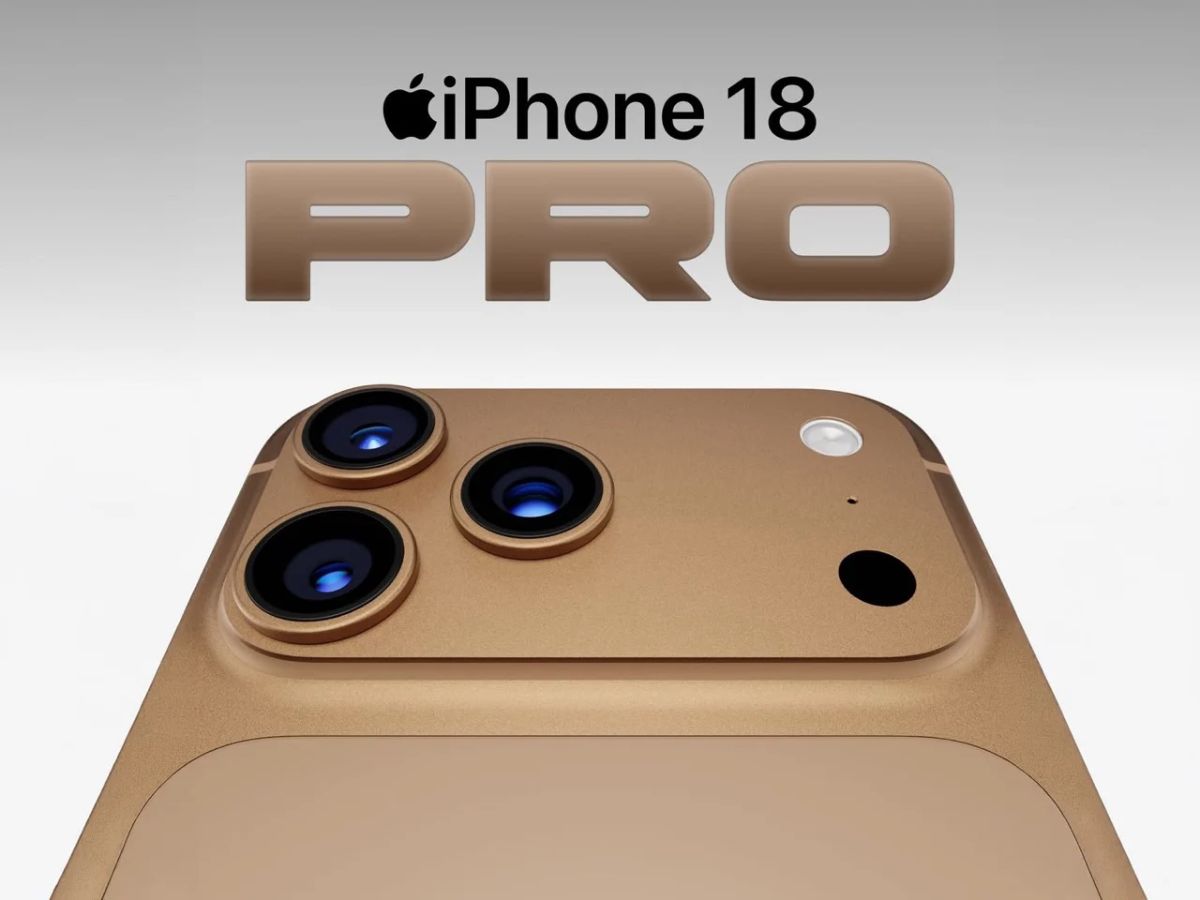
Exploring Different Camera Lenses
Some Apple iPhone models include multiple rear cameras, with each lens designed for a particular purpose.An ultra-wide camera is useful when you need to capture a larger area. It can be particularly helpful for landscapes, buildings, large groups, and indoor photography.A telephoto camera provides additional flexibility when photographing distant subjects. It can also be useful for portraits because it allows the photographer to frame a subject from farther away.
The availability and capabilities of these lenses depend on the particular iPhone model. Therefore, people who frequently use zoom photography should pay close attention to the camera specifications before purchasing.
Video Features for Everyday Creators
Smartphone video has become increasingly important. People now use their phones to record travel memories, family events, tutorials, social media clips, and even professional content.The Apple I Phone offers advanced video recording capabilities, with supported models providing additional options for creators.Good stabilization helps reduce unwanted camera movement, while Apple's processing can help maintain consistent exposure and color.
For someone who frequently creates content, storage should also be considered. High-resolution video files can consume storage quickly, making a larger-capacity iPhone potentially more practical.
Understanding Apple iPhone Performance
A modern smartphone needs to handle far more than calls and messages. Users now expect their phones to run games, edit photos, record video, manage documents, stream high-resolution content, and run multiple applications.Apple's processors are designed specifically for its devices and work closely with iOS. This hardware-software integration allows the company to optimize performance and power consumption together.For everyday tasks, strong processing performance means applications can open quickly and the interface can remain responsive.More demanding tasks such as video editing and high-end gaming put greater pressure on the processor and graphics system. Newer chips are designed to handle these workloads while also supporting machine-learning and intelligent software functions.
Apple iPhone for Gaming
Mobile gaming has become much more sophisticated. Modern games can include detailed graphics, complex environments, online multiplayer features, and advanced physics.A capable Apple iPhone can handle demanding games while providing a responsive touchscreen and high-quality display.Performance is only one part of the gaming experience, however. Screen size, refresh rate, thermal behavior, battery life, and storage can all affect long gaming sessions.
Gamers who frequently download large titles should consider storage carefully. A device that initially seems to have plenty of space can fill up quickly when several large games and media files are installed.
Battery Life in Real-World Use
Battery performance is one of the most important factors for smartphone owners. Nobody wants to constantly search for a charger during the day.Apple iPhone battery life depends on the model and how the device is used. Browsing, messaging, and listening to music generally consume less energy than gaming, GPS navigation, video recording, or extended video streaming.Display brightness can also influence battery consumption. Keeping the screen at maximum brightness for long periods may reduce overall endurance.Larger iPhone models can have an advantage because their larger physical size can accommodate larger batteries. However, software optimization and processor efficiency are equally important.
Charging and Battery Management
Modern iPhones use USB-C for wired charging, providing a widely adopted connection that is also common on computers, tablets, and other devices.Wireless charging offers additional convenience, while MagSafe-compatible accessories can make charging easier by using magnetic alignment.Users can also take practical steps to preserve battery performance. Avoiding unnecessary heat, using appropriate charging accessories, and keeping software updated can contribute to a better long-term experience.
Battery usage can also be managed by reviewing which applications consume the most energy and adjusting settings where appropriate.
Display Quality and Everyday Experience
The display is where much of the smartphone experience takes place. Whether you are reading an article, viewing photographs, watching a movie, or playing a game, screen quality matters.Modern Apple iPhone models use high-quality displays with strong contrast and detailed images. OLED technology provides deep blacks and vibrant colors, making video and photography particularly enjoyable.Some models offer more advanced display features, including higher refresh rates and greater brightness.
For everyday users, a bright and readable display can be more valuable than simply having the highest possible resolution.
Storage How Much Do You Really Need?
Storage is easy to overlook when comparing phones. Many buyers focus on the processor and cameras but only think about storage after the device is already filling up.Photos, videos, applications, games, podcasts, and offline movies can consume considerable space.A user who mostly streams content and takes occasional photographs may be comfortable with a lower storage capacity. Someone who records lots of video or installs several large games may benefit from a higher-capacity model.
Since iPhones generally do not offer expandable storage through memory cards, choosing the appropriate capacity at purchase is important.
Apple iPhone Software Experience
iOS is a central part of the Apple I Phone experience. Apple's software is designed specifically around its hardware, which helps create a consistent interface across supported devices.The operating system provides access to the App Store and Apple's collection of built-in applications and services.Privacy and security are also important parts of Apple's software approach. Features such as biometric authentication and application permissions give users tools for protecting their information.
Software updates can add new capabilities and security improvements, helping supported iPhones remain useful over time.
Connectivity and Ecosystem Features
Modern iPhones support technologies such as 5G, Wi-Fi, and Bluetooth, although exact capabilities can vary by model and region.USB-C provides wired connectivity for charging and data transfer. Wireless connections make it easy to use headphones, speakers, watches, and other accessories.The Apple ecosystem is another consideration. Someone who already owns an Apple Watch or Mac may find additional value in the way these devices interact with an iPhone.
Features such as AirDrop make transferring files between compatible Apple devices simple, while AirPods can connect quickly and integrate with the broader ecosystem.
Apple iPhone What Should You Prioritize?
Different buyers should prioritize different specifications.
If photography is your main concern, focus on camera sensors, lens options, optical zoom, and video capabilities.
If gaming is important, look at processor performance, graphics capability, display refresh rate, battery endurance, and storage.
For business and productivity, consider screen size, battery life, software support, connectivity, and compatibility with your other devices.
If you mainly need a phone for social media, messaging, browsing, and streaming, a standard model may provide everything you need without paying extra for specialized features.
Apple iPhone Buying Checklist
Before purchasing an Apple I Phone, consider these questions:
-
Which model fits your budget?
-
How much storage will you need?
-
Do you regularly use optical zoom?
-
Is a larger display important?
-
How heavily do you use your phone each day?
-
Do you play demanding mobile games?
-
Do you record a lot of video?
-
Do you already own Apple devices?
-
Which features are genuinely important to you?
Answering these questions can make the choice much easier.
Frequently Asked Questions
Is Apple iPhone good for everyday use?
Yes. Modern iPhones are designed to handle common tasks such as messaging, browsing, streaming, photography, navigation, and productivity.
Is Apple iPhone suitable for photography?
The iPhone offers capable camera hardware and computational photography features. Higher-end models generally provide more camera flexibility.
Does Apple iPhone have good battery life?
Battery performance varies by model and usage. Screen size, brightness, gaming, video recording, navigation, and mobile connectivity can all affect endurance.
Is Apple iPhone good for gaming?
Modern iPhones offer powerful processors and graphics capabilities that can handle many demanding mobile games.
How much storage should I buy?
Your ideal capacity depends on how many photos, videos, applications, and games you keep on the phone. Heavy content creators and gamers may benefit from more storage.
Final Thoughts
The Apple I Phone is more than a collection of impressive specifications. Its appeal comes from the way cameras, processors, battery management, iOS, and Apple's wider ecosystem work together.
When choosing between models, focus on the features that genuinely affect your daily use. A photography enthusiast may prioritize cameras and storage, while a gamer may care more about sustained performance and display quality. For everyday users, a standard model may already provide a comprehensive smartphone experience.
Taking the time to compare these factors can help you select an Apple iPhone that matches your needs, usage habits, and budget.
 Turkish
 English
 Arabic
 French
 Spanish
 Portuguese
 Deutsch
 Dutch
Dutch
 Italiano
 Russian
 Romaian
 Portuguese (Brazil)
 Greek
Greek
