


Legal and Compliance for a Shoe Washing Business: Licenses, Safety, and Risk Management
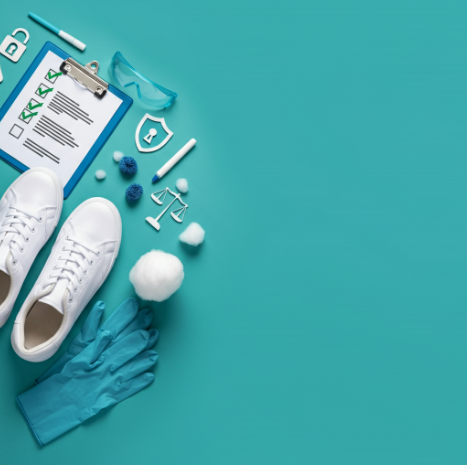
Operating a legitimate and protected business requires more than just skilled hands and cleaning solutions; it demands a solid understanding of legal and compliance obligations. For a shoe cleaning company, this involves navigating everything from business registration and insurance to chemical safety and customer policies. Setting up your legal framework correctly from the start protects you from liability, ensures a safe environment for your staff and customers, and builds a professional, trustworthy brand. This guide covers the essential legal and compliance areas you must address.
Business Structure and Registration
The first step is to establish your business as a legal entity. This choice impacts your liability, taxes, and administrative requirements.
-
Choosing a Business Structure:
-
Sole Proprietorship: The simplest structure. You and the business are legally the same entity. It's easy to set up, but offers no personal liability protection.
-
Limited Liability Company (LLC): The most common choice for small businesses. It creates a separate legal entity, shielding your personal assets (like your home and car) from business debts and lawsuits. While it requires more paperwork and a registration fee, the protection is invaluable.
-
Essential Registrations:
-
Employer Identification Number (EIN): A free tax ID number from the IRS. You'll need it to open a business bank account, hire employees, and file business tax returns.
-
Local Licenses & Permits: Check with your city, county, and state for required business operating licenses or permits. This may include a general business license or specific permits related to using chemicals or discharging wastewater.
Location and Operations: Leases and Safety
Whether you operate from a commercial storefront or your home, physical space comes with compliance rules.
-
Lease Considerations: If renting a commercial space, your lease must explicitly permit "wet operations." Landlords may require details about your plumbing, ventilation, and waterproofing to prevent damage. Get written approval before signing.
-
Chemical Handling & Storage (OSHA Basics):
-
Labeling: All chemical containers must be clearly labeled with their contents and hazard warnings.
-
Safety Data Sheets (SDS): You must maintain an accessible binder or digital file with the SDS for every chemical you use. These sheets provide critical information on handling, storage, and emergency procedures.
-
Storage & Ventilation: Store chemicals in a cool, dry, well-ventilated area away from direct sunlight. Ensure your workspace has adequate airflow to dissipate fumes.
-
Personal Protective Equipment (PPE): Provide and mandate the use of appropriate PPE, such as nitrile gloves and safety glasses, for all employees handling chemicals.
-
Wastewater & Environmental Rules: You are responsible for the water you discharge. Check local regulations on trade effluent. You may be required to install simple grease traps or filters to prevent solids and certain chemicals from entering the public sewer system.
Insurance: Your Financial Safety Net
Insurance is a non-negotiable cost of doing business. It protects you from catastrophic financial loss.
-
General Liability Insurance: Covers third-party bodily injury or property damage that occurs on your premises (e.g., a customer slips and falls).
-
Property Insurance: Protects your equipment, supplies, and the physical shop from events like fire, theft, or water damage.
-
Workers' Compensation: Required by law as soon as you hire your first employee. It covers medical expenses and lost wages for employees injured on the job.
-
Professional Liability (Errors & Omissions): Covers you if you are sued for mistakes in your service, such as damaging a customer's expensive pair of shoes.
Policies: Managing Employee and Customer Risk
Clear, written policies are your first line of defense in managing expectations and disputes.
-
Employee Policies:
-
Employee Handbook: A simple handbook should outline your core policies on conduct, safety procedures, scheduling, and time off.
-
Safety Training: Document all safety training. Keep a log signed by employees confirming they have been trained on chemical handling and equipment use.
-
Incident Reporting: Establish a clear procedure for reporting any workplace accident or injury, no matter how minor.
-
Customer-Facing Policies:
-
Intake Waiver: Have customers sign a simple form during intake that acknowledges the inherent risks of cleaning aged or delicate materials (e.g., glue failure, color bleed).
-
Rework/Warranty Terms: Clearly state your policy for unsatisfactory results. For example, "We offer one complimentary re-clean for any correctable issues reported within 7 days of pickup."
-
Abandoned Property Policy: Define how long you will hold unclaimed shoes (e.g., 60 or 90 days) before they are considered abandoned and donated. This must be clearly posted and included in your intake terms. Successfully running a shoe cleaning company means protecting it from every angle.
Data, Payments, and Contracts
Modern business operations involve digital records and financial transactions that require compliance.
-
Data & Privacy: You are responsible for protecting any customer information you collect (names, phone numbers, email addresses). Use a secure POS system and never share customer data.
-
Payment Compliance (PCI): If you accept credit cards, you must use a PCI-compliant payment processor (like Square, Stripe, or Shopify POS). This ensures customer card data is handled securely. Be prepared to handle chargebacks by providing documentation like intake forms and customer signatures.
-
Vendor Contracts: For any service you rely on (e.g., a delivery provider, a chemical supplier), have a simple contract or Service Level Agreement (SLA) that outlines expectations, pricing, and terms.
-
Recordkeeping: Maintain organized records for all financial transactions, employee files, permits, and insurance policies. A good rule is to keep tax-related documents for seven years.
Simple Annual Compliance Calendar
Stay on top of deadlines with a basic calendar:
-
January: Review annual sales data for tax prep. Renew any annual business licenses.
-
April: Business/Personal Tax Filing Deadline.
-
July: Mid-year review of insurance policies to ensure coverage is adequate.
-
October: Review and update employee and customer policies. Conduct annual safety training refreshers.
-
Quarterly: Remit sales tax (if applicable) and make estimated income tax payments.
Navigating the legal requirements of a shoe washing business can seem daunting, but it is a manageable and essential process. By methodically setting up your legal structure, securing the right insurance, and implementing clear policies, you build a resilient and professional operation prepared for sustainable growth.
 Greek
Greek
 English
 Arabic
 French
 Spanish
 Portuguese
 Deutsch
 Turkish
 Dutch
Dutch
 Italiano
 Russian
 Romaian
 Portuguese (Brazil)
