


Understanding the Greek Evil Eye: A Comprehensive Guide
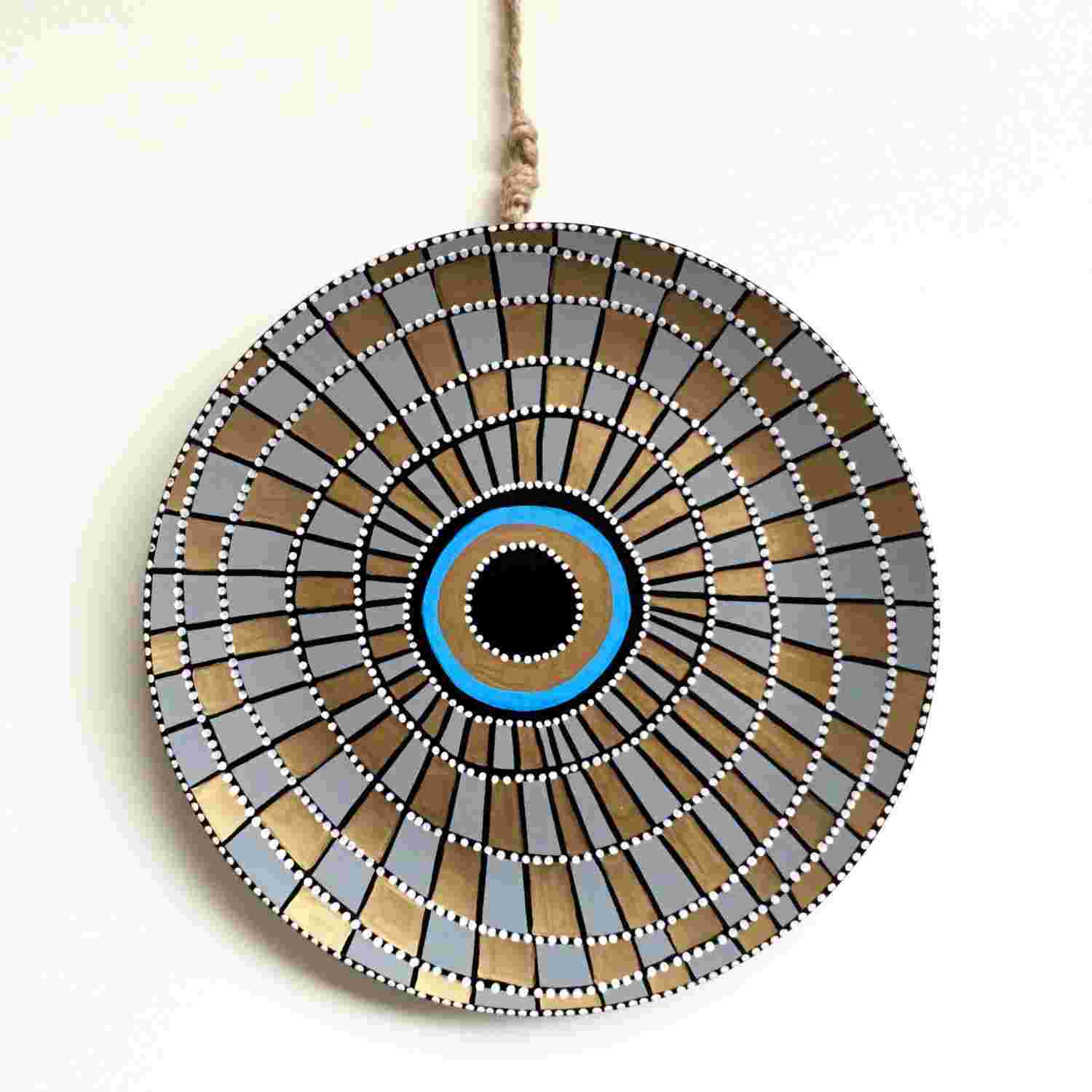
Origins of the Greek Evil Eye
The concept of the Evil Eye dates back to ancient Greece, where it was believed that envious looks could harness harmful powers. Ancient Greek literature, including works by the playwright Euripides and philosopher Plutarch, frequently references the Evil Eye, indicating its deep cultural significance. The belief is that when someone gives you the Evil Eye—whether knowingly or unknowingly—they are transferring negative energy towards you, which can manifest in physical or emotional harm.
Symbolism of the Evil Eye
The symbol of the Greek Evil Eye is often depicted as a blue or green eye, which is believed to have protective qualities. The eye symbol is traditionally worn as a talisman or amulet, designed to ward off the effects of the Evil Eye and protect the wearer from harm. The choice of blue and green colors is not arbitrary; in Greek culture, blue eyes are rare and were historically considered capable of casting the most powerful Evil Eye. Thus, the blue eye amulet is thought to offer the strongest protection.
Cultural Significance in Modern Greece
Today, the belief in the Evil Eye is still prevalent in modern Greece. It is common to see the Eye symbol in homes, businesses, and even as part of jewelry and clothing. Many Greeks continue to follow rituals designed to protect against the Evil Eye, such as spitting three times (or pretending to spit) after receiving a compliment, to ward off any unintended negative energy.
How to Protect Against the Evil Eye
Protection against the Greek Evil Eye involves several traditional practices. The most common method is to wear an Evil Eye amulet, which is believed to reflect the gaze of the onlooker back upon them, thereby neutralizing the negative energy. These amulets come in various forms, including bracelets, necklaces, and keychains, making them a popular and accessible form of protection.
In addition to wearing an amulet, other protective measures include:
- Reciting prayers or incantations: Specific prayers or phrases are believed to provide protection from the Evil Eye. These prayers are often passed down through generations and are recited in times of need.
- Using protective herbs: Herbs such as garlic, rue, and basil are believed to have protective properties and are used in rituals to safeguard against the Evil Eye.
- Engaging in rituals: Traditional rituals, such as the "xematiasma" (a process of removing the Evil Eye), involve a person reciting specific words or prayers over the affected individual to relieve them of the negative energy.
The Evil Eye in Other Cultures
The belief in the Evil Eye is not unique to Greece; it is a widespread phenomenon found in many cultures across the world. In Turkey, the Evil Eye is known as "nazar," and it is common to see blue eye amulets hanging in homes and cars. In the Middle East, the Evil Eye is called "al-ayn," and it is also considered a significant source of harm that requires protection. The Italian "malocchio" and the Indian "nazar" are other cultural equivalents, each with its own set of protective rituals and symbols.
Scientific and Psychological Perspectives
While the belief in the Greek Evil Eye is deeply ingrained in cultural and religious traditions, there are also psychological and social explanations for its persistence. The concept of the Evil Eye can be seen as a way to explain misfortune or bad luck, providing a sense of control over seemingly random negative events. From a psychological standpoint, wearing an Evil Eye amulet or engaging in protective rituals can reduce anxiety and create a placebo effect, giving individuals a sense of security and well-being.
Modern Interpretations and Popularity
In recent years, the Greek Evil Eye has transcended its traditional roots and become a popular symbol in fashion and pop culture. Many people wear Evil Eye jewelry not only for protection but also as a fashion statement. The symbol has been embraced by designers and celebrities alike, further spreading its popularity beyond its cultural origins. Despite its modern appeal, the underlying belief in the protective power of the Evil Eye remains strong, especially among those who adhere to traditional practices.
Conclusion: The Enduring Legacy of the Greek Evil Eye
The Greek Evil Eye is more than just a superstition; it is a symbol of protection, cultural identity, and psychological comfort. Its enduring presence in Greek culture and its widespread influence across the world highlight the universal human desire to protect oneself from unseen forces of harm. Whether viewed through the lens of tradition, psychology, or fashion, the Evil Eye continues to captivate and protect those who believe in its power.
 Spanish
 English
 Arabic
 French
 Portuguese
 Deutsch
 Turkish
 Dutch
Dutch
 Italiano
 Russian
 Romaian
 Portuguese (Brazil)
 Greek
Greek
