


Digital Branding: Crafting a Powerful Online Presence
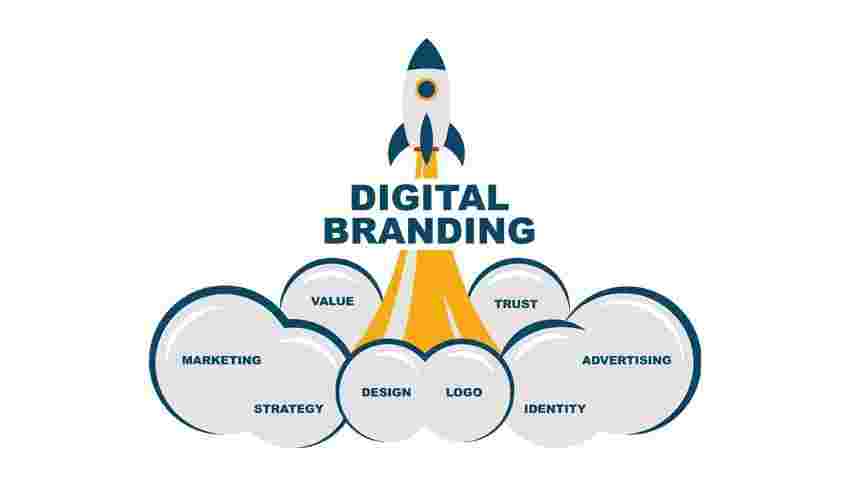
In the digital age, where almost every aspect of life has some connection to the internet, establishing a strong online presence is more crucial than ever. This is where digital branding comes into play. Digital branding is the process of creating and managing the online identity of a business or individual. It encompasses everything from website design and social media presence to online reputation management and content creation. Effective Digital Branding helps differentiate a brand in a crowded market, builds trust with the audience, and ultimately drives business success.
The Core Elements of Digital Branding
- Brand Identity
- Logo and Visual Design: Your logo is often the first impression customers have of your brand. It should be unique, memorable, and reflective of your brand’s personality. Consistent visual design across all digital platforms—colors, fonts, and imagery—helps reinforce brand recognition.
- Brand Voice and Messaging: The tone and style of communication used across digital platforms should align with your brand’s identity. Whether it's formal, casual, humorous, or authoritative, consistency in brand voice helps build a recognizable and trustworthy brand.
- Website Design: A well-designed website is the cornerstone of digital branding. It should be visually appealing, easy to navigate, and mobile-friendly. The website is often where potential customers form their first impression of your brand, so it’s essential that it reflects your brand’s values and offerings accurately.
- User Experience (UX): Beyond aesthetics, the usability of your website is crucial. A seamless, intuitive user experience encourages visitors to stay longer, explore more, and ultimately convert into customers. Factors like load times, ease of navigation, and accessible content play a significant role in UX.
- Quality Content Creation: Content is at the heart of digital branding. Whether it’s blog posts, videos, infographics, or social media updates, content should provide value to your audience. It’s not just about promoting products or services; it’s about educating, entertaining, or inspiring your audience.
- SEO and Keyword Strategy: For your content to be effective, it needs to be discoverable. Implementing an SEO strategy ensures that your content ranks well in search engine results, making it easier for potential customers to find you. This includes keyword research, on-page SEO, and regular updates to keep content relevant.
- Platform Selection: Not all social media platforms are created equal. Choosing the right ones depends on where your target audience spends their time. For instance, LinkedIn is ideal for B2B brands, while Instagram and TikTok might be better for lifestyle and consumer brands.
- Engagement and Interaction: Social media is not just about broadcasting; it’s about engaging with your audience. Regularly interacting with followers, responding to comments, and participating in discussions can help build a community around your brand.
- Customer Reviews and Feedback: Online reviews can make or break a brand. Encouraging satisfied customers to leave positive reviews and addressing negative feedback professionally are crucial for maintaining a good reputation.
- Public Relations (PR): Digital PR involves managing your brand’s image online. This can include responding to negative press, issuing public statements, or using influencers to improve your brand’s perception.
- PPC and Display Ads: Paid advertising, such as Pay-Per-Click (PPC) ads, can boost visibility and drive traffic to your website. It’s essential to target ads effectively and ensure that they align with your brand’s overall image.
- Social Media Advertising: Platforms like Facebook, Instagram, and LinkedIn offer robust advertising options that allow you to target specific demographics, ensuring that your message reaches the right people.
The Importance of Consistency in Digital Branding
Consistency is key in digital branding. Every touchpoint a customer has with your brand, from your website to your social media posts, should deliver a cohesive message. This consistency helps build trust and recognition, making it easier for customers to connect with and remember your brand. Inconsistent branding, on the other hand, can confuse customers and dilute your brand’s impact.
The Role of Analytics in Digital Branding
To build a successful digital brand, you need to understand what’s working and what’s not. This is where analytics come into play. By tracking metrics such as website traffic, social media engagement, and conversion rates, you can gain valuable insights into how your audience interacts with your brand. This data allows you to make informed decisions, optimize your digital strategies, and continuously improve your brand’s online presence.
Challenges in Digital Branding
- Saturated Market: With millions of brands competing for attention online, standing out can be challenging. Creativity and innovation are essential to differentiate your brand.
- Maintaining Relevance: The digital landscape is constantly evolving. Brands must stay up-to-date with the latest trends and technologies to remain relevant.
- Handling Negative Feedback: In the digital world, negative feedback can spread quickly. Brands need to be proactive in managing their online reputation and addressing issues promptly.
Future Trends in Digital Branding
- Personalization: As consumers expect more tailored experiences, brands will need to focus on personalization in their digital branding efforts. This includes personalized content, targeted advertising, and customized user experiences.
- Influencer Marketing: Leveraging influencers to promote your brand can be highly effective, especially when targeting younger audiences. However, authenticity is key; consumers are becoming more discerning about sponsored content.
- Augmented Reality (AR) and Virtual Reality (VR): These technologies are starting to play a role in digital branding, offering immersive experiences that can engage customers in new and exciting ways.
Conclusion
Digital branding is an ongoing process that requires a strategic approach, creativity, and a deep understanding of your target audience. By focusing on building a strong brand identity, creating valuable content, engaging with your audience, and leveraging the right tools and platforms, you can establish a powerful online presence that resonates with customers and drives business growth. As the digital landscape continues to evolve, staying ahead of the curve and adapting to new trends will be essential for long-term success in digital branding.
 Dutch
Dutch
 English
 Arabic
 French
 Spanish
 Portuguese
 Deutsch
 Turkish
 Italiano
 Russian
 Romaian
 Portuguese (Brazil)
 Greek
Greek
