


Why pearl millet it is important for farmers and healthy diets
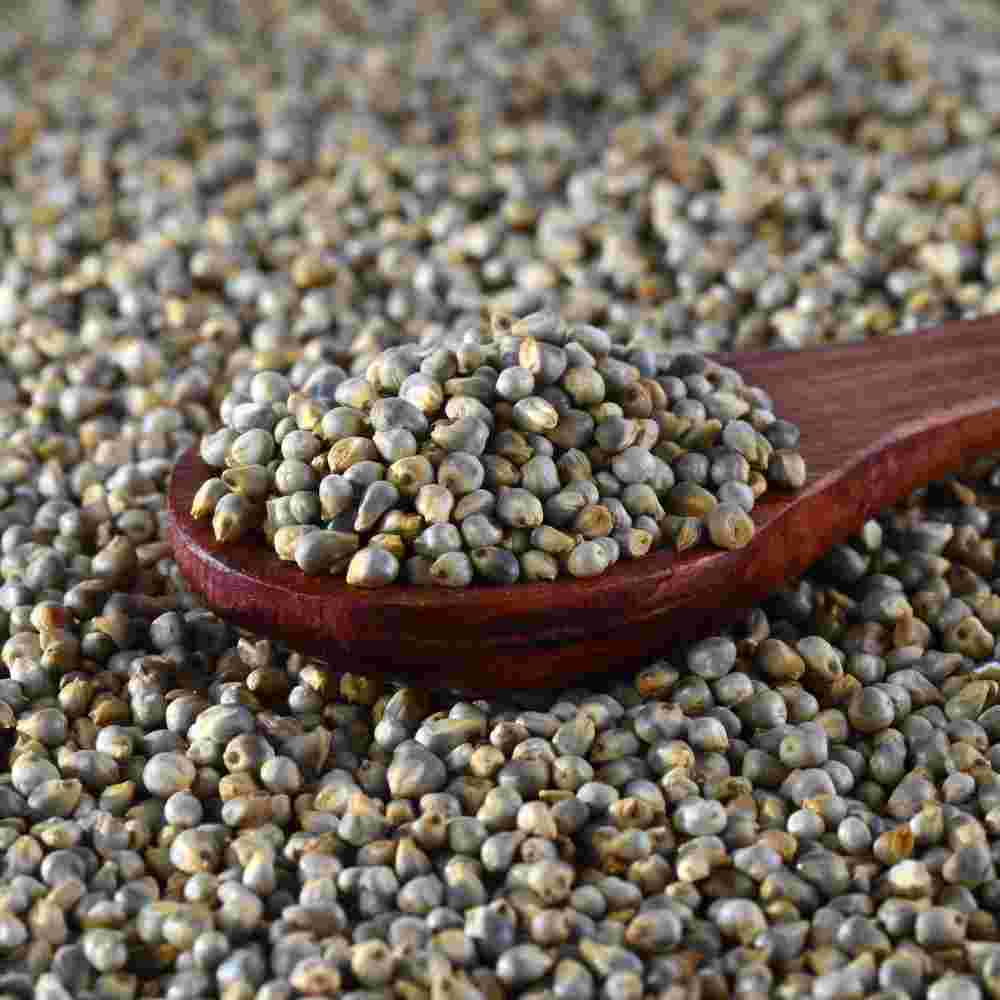
Pearl millet is traditionally an important cereal grain that has been grown over many years. The crop grows in arid and semi-arid regions. Due to its hardiness and nutritional richness, pearl millet plays a dual role in both farmer livelihoods and a healthy diet. Of late, pearl millet has gained renewed attention as a climate-resilient crop and healthy food choice for modern lifestyles.
Grasping what pearl millet actually is
Pearl millet belongs to the millet family and is characterized by small seeds, greyish or yellowish round grains, and a robust growth pattern. Most of the commonly consumed cereals are sensitive to poor soil conditions and require reasonable amounts of water; however, pearl millet does not need that. As a result, it emerges as one of the most dependable crops when rainfall is so uncertain with a temperature rise. Historically, pearl millet is deeply rooted in various cuisines, as reflected in their uses in flat breads, porridges, and other local food preparations, making it a staple food for several parts of the world.
Importance of Pearl Millet to Farmers
To farmers, pearl millet is a crop of stability and security. With the ability to grow the plant in arid conditions, the chances of crop failure get reduced, especially in drought-affected areas. Pearl millet crop becomes an assured crop even on low rainfall. Farmers thus can depend on the crop as a sure source for food security. It has a short growing cycle that will enable the farmers to garner the crop quickly and plan for multiple farm activities within a year. Its low requirements of fertilizers and pesticides further reduce farming costs, hence economically viable for small and marginal farmers.
Climate Resilience and Sustainable Agriculture
It is a kind of climate-smart cereal, genetically tolerant to heat and environmental stress. As weather conditions are affected by climate change, pearl millet crops become increasingly important. Soil erosion is also not an issue with deep soil-reaching roots, and it maintains the soil health better. Pearl millet cultivation protects natural resources while maintaining productivity through sustainable agricultural activity.
Nutritional Value of Pearl Millet in Simple Words
Pearl millet is a powerhouse of nutrition dietary-wise. It contains complex carbohydrates that give long-lasting energy. The grain is a good source of plant-based protein, which makes it valuable for body growth and repair. It consists of a high amount of dietary fiber that supports digestion and has its role in maintaining a healthy gut. It also provides iron, magnesium, and phosphorus, essential minerals that play an important part in maintaining overall health.
Role of Pearl Millet in Healthy Diets
Pearl millet promotes good nutrition through its contribution to the supply of necessary nutrients with low caloric intake. The relatively high fiber levels help moderate appetite and, hence, control weight, as it creates a feeling of fullness. The slow digestion in pearl millet helps maintain stable blood sugar levels; hence, it is a suitable grain for people concerned about metabolic health. Because it is naturally gluten-free, pearl millet may be included in diets designed for people who are gluten intolerant.
Supporting Healthy Digestion and Heart Health
Regular intake of pearl millet may bring about considerable improvement in the digestion of food. The fiber content in the grain ensures clear bowel movements, thereby reducing disturbing digestive problems. Pearl millet also promotes heart health by regulating cholesterol levels. Magnesium in it helps blood pressure and keeps the muscles functioning normally. These are the salient reasons for making pearl millet part of a heart-friendly diet.
Economic and Social Importance
In addition to nutritional value, pearl millet has great social and economic value. It provides rural employment and improves food systems at the local level. Communities that consume locally grown grains, like pearl millet, would have less reliance on importation of foods and better regional agriculture. This does more to raise farmer incomes and also promotes food diversity with much cultural heritage.
Growing Relevance in Modern Diets
With growing awareness about healthy eating and sustainable food choices, pearl millet is finding its place in modern diets. Its versatility allows it to be used in a wide range of traditional and contemporary dishes. The growing interest in whole grains and plant-based foods has further increased its popularity among health-conscious individuals.
Conclusion
It is a resourceful grain, indeed, for both farmers and consumers. To farmers, the insurance provided by this resilient crop against poverty includes reliability, low cost, and resilience in a changing climate that aids sustainable agriculture. Consumers derive from pearl millet essentials like improved nutrition, digestion, and health in general. Pearl millet links agricultural sustainability with nutritional wellness and hence has been and will be an important grain. Its continued cultivation and integration into daily diets can help build healthier communities and stronger food systems worldwide.
 Deutsch
 English
 Arabic
 French
 Spanish
 Portuguese
 Turkish
 Dutch
Dutch
 Italiano
 Russian
 Romaian
 Portuguese (Brazil)
 Greek
Greek
