


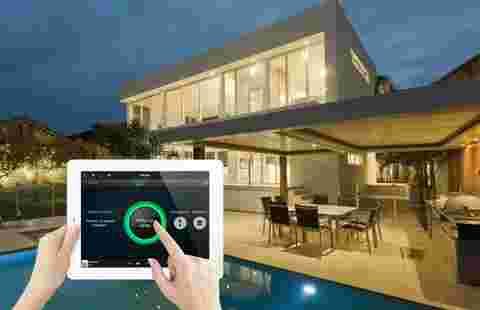
Home automation is more than adding smart switches and an app; it is the thoughtful assembly of hardware, control logic and operational practices that make daily life simpler, safer and more efficient. A robust Home Automation approach balances human-centered design with durable infrastructure, choosing devices and network practices that scale and remain serviceable. This long-form guide explores architecture patterns, device selection, networking, privacy, commissioning, maintenance and governance that together produce automation systems homeowners can rely on for years.
Home automation should be conceived as house infrastructure: planned, documented and maintained with the same discipline we expect of electrical and HVAC systems.
Architecture Choices: Local, Cloud Or Hybrid Control
One of the earliest architecture decisions is whether to rely primarily on local control, cloud services, or a hybrid approach. Local-first architectures retain critical logic in the home so essentials like door locks, smoke handling and HVAC safety continue to function during connectivity interruptions. Cloud services add convenience—remote access, voice assistants and analytics—but can introduce failure modes if used as the sole control path. Hybrid models keep mission-critical automations local while using cloud APIs for non-essential features. Make architectural choices based on required reliability, privacy expectations and the household’s tolerance for managed services.
Choosing Protocols And Standards For Device Interoperability
Standards reduce long-term risk. Thread, Zigbee and Z-Wave are mature mesh protocols that enable device interoperability; the emergence of Matter promises to simplify cross-vendor compatibility further. When selecting devices, prioritize those that support these community standards or provide documented APIs and local control options. Avoid highly proprietary ecosystems that lock you into a vendor’s cloud for basic actions. Plan for bridging strategies so a central controller can orchestrate devices across different protocols without fragile glue code.
Network Topology And IoT Segmentation
Network design underpins reliability and security. Use a managed network with VLAN segmentation to isolate IoT devices from family computers and workstations. Deploy multiple Wi-Fi access points using a mapped heatmap for full coverage and run Ethernet where latency-sensitive devices or hubs will be installed. Implement QoS for bandwidth-hungry AV devices and use guest networks for temporary devices. The network topology must be documented and change-managed so future expansions do not create unexpected cross-talk or choking points.
Device Selection: Sensors, Actuators, And Edge Controllers
Choose sensors and actuators that align with real use cases. For presence detection combine motion, contact and phone presence for robust inference. For climate control use thermostats and temperature sensors placed in representative locations rather than a single biased probe. For actuators—locks, shades, relays—select devices with proven mechanical reliability and accessible service paths. Edge controllers that aggregate sensors and run local logic are valuable for low-latency scenes and help maintain functionality without cloud dependency.
Power Considerations: Batteries, Hardwiring And UPS
Power strategy is a lifecycle decision. Battery devices enable clean retrofits but require a maintenance plan. Hardwired devices provide continuous power for high-traffic actuators and integrated HVAC control. For racks and core controllers use UPS protection to guard against brownouts that can corrupt device states. Plan circuits for AV racks, motorized shades and high-current loads rather than piggybacking appliances onto general-purpose outlets. A considered power plan reduces operational surprises and lowers long-term maintenance efforts.
Privacy And Data Governance
Home automation systems gather sensitive signals, so privacy must be explicit and configurable. Decide where data lives—local storage, vendor cloud or hybrid—and document retention policies for video and logs. Implement clear access controls and a routine for revoking guest accounts and rotating service credentials. For households with mixed occupants, create role-based access so caregivers or cleaners receive time-limited access rather than permanent admin rights. Transparent data governance builds trust and reduces friction when enabling advanced features like analytics.
Integration Patterns And Scene Design
Design scenes as small, testable units and compose them into higher-level routines. Use modular scenes like “Away,” “Goodnight” and “Movie” rather than many device-specific rules. Keep scene logic simple and observable so debugging is tractable. Where complex logic is needed—seasonal solar compensation or predictive scheduling—prefer controller-level implementations that can be simulated and tested rather than opaque cloud flows. A modular approach simplifies handover and ensures scenes remain understandable to both users and technicians.
Commissioning And Acceptance Testing
Commissioning validates that the installed system meets user expectations. Include functional tests for each scene, failover scenarios for network and cloud outages, battery life estimates for wireless devices and latency measurements for time-critical flows. Observe typical household behavior for several days and adjust thresholds and schedules accordingly. Document final settings, device firmware and recovery instructions in an as-built package. Formal acceptance testing reduces early callbacks and provides confidence that the system behaves as designed.
Maintenance And Firmware Management
Automation systems need active maintenance. Create a patching policy that balances security updates with staged feature rollouts. Use a test controller for major updates and maintain a rollback plan. Schedule regular battery checks and hardware inspections, and keep a small inventory of critical spare parts such as hubs, power adapters and common sensors. Consider a managed subscription for households that want professional oversight to handle updates and rapid field service when hardware fails.
User Training, Handover, And Documentation
Effective handover includes practical, short training for daily users and more detailed operational documentation for the household technical lead. Provide quick reference cards for common actions and a minimal troubleshooting checklist for obvious resets. Record brief walkthrough videos demonstrating key scenes and how to recover from common issues. Good documentation reduces support friction and empowers homeowners to own the system.
Security Practices For Resilient Homes
Enforce unique passwords and two-factor authentication for cloud accounts, and disable unused services. Segment IoT, enable device inventory and monitor for new device enrollments. Limit administrative access to a small set of trusted accounts and require temporary credentials for contractors. Regularly review access lists and automate credential expiration for service providers. Security is an ongoing operational commitment rather than a one-time checkbox.
Measuring Performance And Continuous Improvement
Track practical metrics such as scene reliability, number of manual overrides, battery replacement cadence and support tickets. Use these indicators to refine sensor placement, timing and thresholds. Periodic re-commissioning at season changes helps adjust automations to new light patterns or occupancy shifts. A small, data-driven feedback loop keeps the system aligned with occupant behavior over time.
Scaling And Future-Proofing
Design with modular expansion in mind: run conduit for future wiring, reserve switch ports and select devices that adhere to open standards. Prefer controllers with plugin or script capabilities so new device types can be integrated without replacing the whole hub. Document integration patterns and avoid tightly coupling automations to transient cloud-only behaviors. Planning for growth reduces the cost and disruption of future upgrades.
Cost Prioritization And Value
Allocate budget to areas that deliver frequent benefits: reliable network, good sensors, local controllers and secure access control. Defer luxury items like extravagant lighting effects until core automations are stable and adopted. Investing in commissioning and a modest maintenance contract often yields a higher return than extra devices because it keeps systems working well over their lifetime.
Conclusion
Home automation becomes truly valuable when treated like durable infrastructure: planned, commissioned and maintained with discipline. Choose interoperable devices, design local-first for critical functions, secure access and data, and commit to periodic re-commissioning and maintenance. When architecture, governance and practical human-centered design come together, home automation becomes a steady, helpful layer that reduces daily friction and grows with the household’s needs.
FAQs
What Is The Ideal Balance Between Local And Cloud Control For Home Automation? Favor local control for safety and mission-critical automations and use cloud services for convenience features like remote access and voice that can be gracefully degraded when needed.
How Do I Avoid Vendor Lock-In When Choosing Devices? Prefer devices that support open standards and documented APIs, and use a controller capable of bridging multiple protocols so individual devices can be swapped without redesigning scenes.
How Often Should I Re-Commission My Home Automation System? Re-commission annually or after significant physical changes such as furniture rearrangement, HVAC work or major firmware updates to retune sensors and thresholds.
What Are The Most Important Security Steps For Smart Homes? Segment IoT networks, use unique strong credentials with two-factor authentication, limit admin accounts, and regularly review and revoke temporary service permissions for contractors.
How Should I Budget For Maintenance And Lifecycle Costs? Allocate funds for periodic firmware and hardware refresh cycles, a small spare parts inventory, and an optional managed service for critical system monitoring and rapid on-site response.
Author Bio
Author: Nora Bennett, Home Systems Architect specializing in resilient smart home deployments and lifecycle governance.

 English
 French
 Spanish
 Portuguese
 Deutsch
 Turkish
 Dutch
Dutch
 Italiano
 Russian
 Romaian
 Portuguese (Brazil)
 Greek
Greek
